Gas Safe Registered Engineers
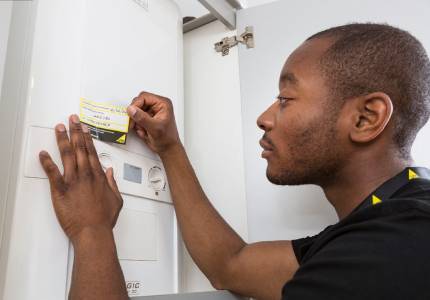
Gas Safe Registered Engineers hold separate qualifications for different types of gas work. It is not enough that they are registered; they must be qualified for your specific type of gas appliance. Before you hire a professional, you need to check they are competent for the type of work you require. For example, an engineer might be qualified to work on your boiler but not your cooker.
We believe in transparency. Below, we break down the Gas Safe qualifications and guide you on how to verify an engineer's credentials. We also provide advice on when you actually need a Gas Safe registered professional for your heating system.
1) Gas Safe Registration by Job Types
The Gas Safe qualification separates appliance types to ensure safety. Someone qualified in gas boilers would need to have undertaken additional training and assessment to work on a gas fire or a gas cooker. Here are the main categories of domestic gas work:
- Boilers and Water Heaters: Covers the installation, servicing, and repair of central heating boilers and water heating appliances.
- Gas Cookers: A specific qualification required for the safe installation and maintenance of gas hobs, ovens, and ranges.
- Gas Fires: Covers space heaters and gas fires, requiring specific knowledge of flue types and ventilation.
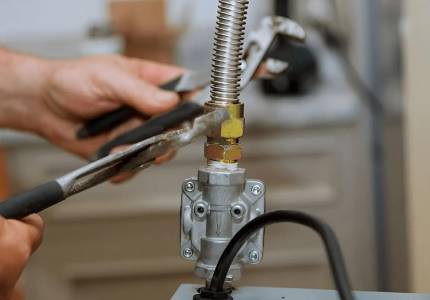
- Pipework and Meters: Essential for any engineer working on the domestic gas supply pipes within your property.
2) Other Important Qualifications
There are four other key qualifications that Narindra Gas Services recommends you check:
- LPG (Bottled Gas): An engineer must be specifically qualified in LPG for each appliance type to work on systems supplied by cylinders or bulk tanks.
- Unvented Hot Water Cylinders: This is a mandatory safety qualification (G3) for working on high-pressure cylinders. While not a gas-specific task, it is listed on Gas Safe ID cards.
- Vented Hot Water Storage: This covers standard gravity-fed cylinders. Most Gas Safe engineers hold this as part of their basic training.
- Caravans & Leisure Vehicles: A specialist area that requires separate certification alongside the LPG qualification.
3) Check the Gas Safe ID Card
Every legitimate engineer carries a personal ID card. You should check the card for two things:
Photo ID and Expiry: Verify that the photo matches the engineer and that the membership is in date. Each engineer has a unique 7-digit licence number shown at the top. The front of the card also shows the company they work for and the card's expiry date.
Qualified Work Categories: The back of the card is the most important part. It lists exactly which appliances the engineer is qualified to work on and when those specific qualifications expire. It is common for these to expire at different times as engineers update their skills throughout their careers.
Professional Boiler Installation
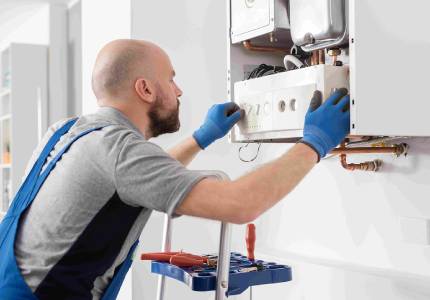
When installing a new boiler, safety is the priority. Boilers are an essential part of your home’s comfort and must be installed properly to keep everything running safely and efficiently. That’s why choosing Gas Safe Registered Engineers from Narindra Gas Services is the best decision for your home.
A professional installation ensures your appliance operates at peak performance, remains under warranty, and, most importantly, protects your household from the dangers of incorrect gas work.
 Contact us

 Mail Support info@narindragasservices.co.uk
 More Inquiry +44 7415762621