Cooker Replacement
Not every cooker needs repairing. In many cases, replacing an ageing appliance can be a more practical long-term solution than continuing to invest in repeated repairs. Modern cookers offer improved energy efficiency, updated safety features and better cooking performance, making them a worthwhile upgrade for many households.
If your existing cooker has become unreliable, parts are increasingly difficult to source or the appliance no longer meets your cooking requirements, replacing it may provide better value over the coming years. Choosing a suitable replacement also creates an opportunity to improve the overall appearance and functionality of your kitchen.
When Does Replacement Make More Sense?
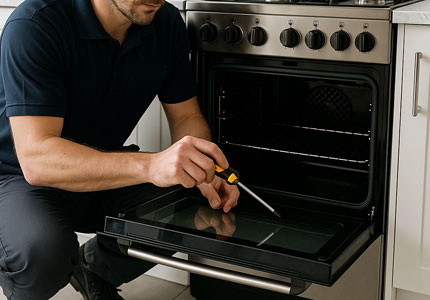
A cooker that requires regular repairs often becomes more expensive to maintain than replacing it altogether. Frequent ignition failures, damaged burners, worn oven components and recurring gas-related faults can indicate that the appliance has reached the end of its practical service life.
Rather than continuing with temporary repairs, many homeowners decide to invest in a newer appliance that offers improved reliability and lower ongoing maintenance requirements.
Common Reasons People Upgrade Their Cooker
Kitchen Renovation
Installing new cabinets and worktops often creates the perfect opportunity to replace an older cooker with a model that complements the updated kitchen.
Growing Family
Larger households frequently upgrade to appliances with greater cooking capacity and additional oven space.
Modern Features
Newer cookers include improved burner controls, better insulation, easier cleaning and more efficient cooking technology.
Changing Appliance Type
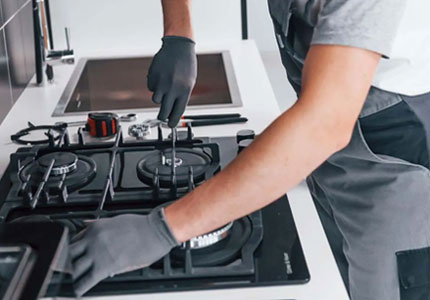
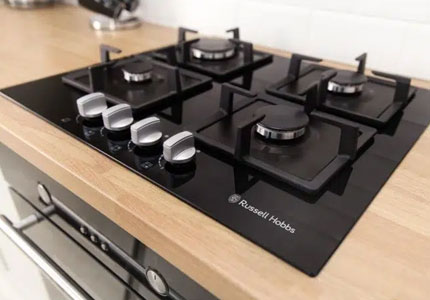
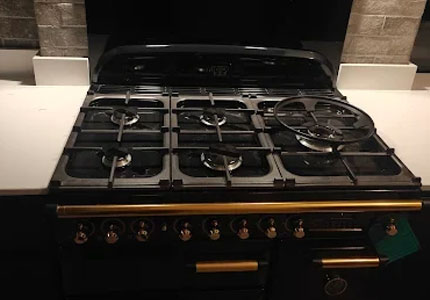
Some homeowners replace freestanding cookers with built-in appliances or larger range cookers to better suit their lifestyle.
Choosing the Right Replacement Appliance
Every household uses its kitchen differently, which means the ideal replacement is not always the same. Before selecting a new appliance, it helps to consider available kitchen space, cooking habits, family size and the existing gas connection. These factors influence whether a standard cooker, range cooker or built-in hob arrangement will provide the most practical long-term solution.
Planning the replacement around both the property and your everyday cooking routine helps ensure the new appliance continues to meet your needs well into the future.
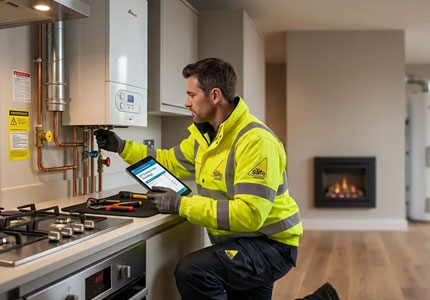
What Happens on Replacement Day?
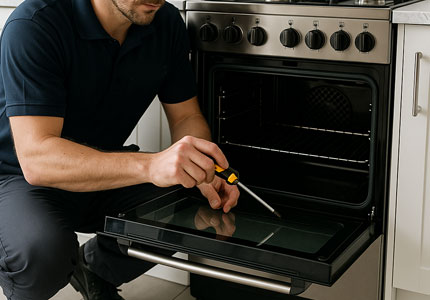
- Existing appliance disconnected.
- Previous cooker safely removed.
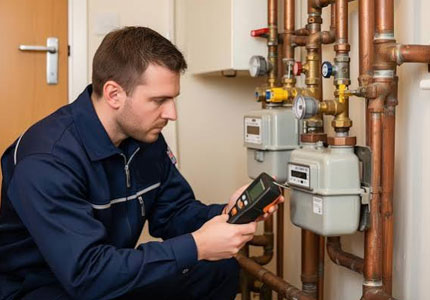
- Gas connection inspected.
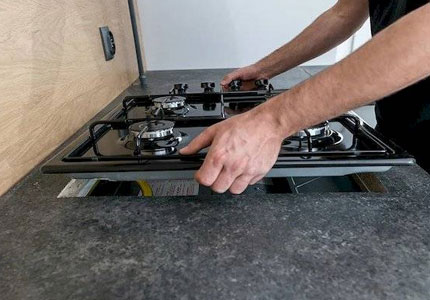
- Replacement appliance positioned.
- Connection completed.
- Operational safety checks.
- Appliance commissioned.
Signs Your Existing Cooker Has Reached the End of Its Service Life
Every cooking appliance experiences gradual wear after years of regular use. While minor faults can often be repaired, repeated breakdowns or declining performance may indicate that replacing the appliance is the more sensible long-term option. A cooker that struggles to maintain consistent heat or develops recurring faults can affect both cooking results and day-to-day convenience.
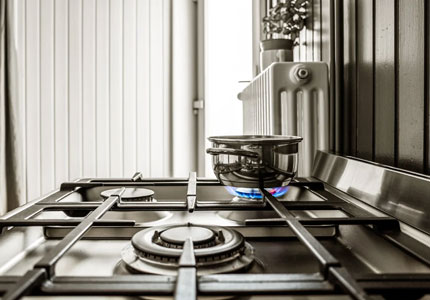
- Burners no longer produce an even flame.
- Ignition becomes unreliable despite previous repairs.
- Replacement parts are difficult to source.
- Repairs become increasingly frequent.
- The appliance no longer matches your kitchen layout.
- Visible corrosion or excessive wear is present.
Repair or Replacement – Which Is the Better Choice?
The right decision often depends on the age of the appliance, the cost of repairs and your future plans for the property. A relatively new cooker with a single fault may only require a straightforward repair, whereas an older appliance that has developed multiple issues could become increasingly expensive to maintain over time.
If you're also planning a kitchen renovation or replacing surrounding units, fitting a new cooker at the same time can reduce future disruption and create a more cohesive finished space.
Replacing Like-for-Like or Choosing Something Different
Not every replacement involves installing the same style of appliance. Some homeowners simply exchange an older freestanding cooker for a newer equivalent, while others use the opportunity to upgrade to a built-in hob and separate oven or install a larger range cooker with additional cooking capacity.
Selecting a replacement that reflects your current lifestyle can improve both everyday cooking and the overall functionality of the kitchen.
Preparing for Your New Cooker
Before a replacement appliance arrives, it helps to measure available space, check access routes through the property and ensure the installation area is clear. These simple preparations can make installation day more straightforward, particularly when replacing larger appliances or carrying out wider kitchen improvements.
Frequently Asked Questions
How long does a gas cooker usually last?
The lifespan varies depending on usage and maintenance, but many domestic gas cookers remain in service for well over a decade before replacement becomes a practical option.
Can I replace my cooker with a different size?
Yes. Before choosing a different size or style, the available kitchen space and connection requirements should be checked to confirm the new appliance is suitable.
Should I replace my cooker during a kitchen renovation?
Many homeowners choose to install a replacement cooker while renovating their kitchen, allowing the new appliance to fit naturally within the updated design.
Can an old cooker be removed before installing the new one?
Yes. The existing appliance can be disconnected and removed before the replacement cooker is fitted.
Is it worth replacing an older cooker that still works?
If the appliance has become inefficient, unreliable or no longer meets your cooking requirements, upgrading to a newer model may provide better long-term value.
Thinking About Upgrading Your Cooker?
Replacing an older cooker is often about more than simply changing one appliance for another. It provides an opportunity to improve cooking performance, refresh the appearance of your kitchen and choose equipment that better suits the way your household cooks today.
If you're considering a replacement and would like advice on selecting a suitable appliance or arranging a safe installation, the team at Narindra Gas Services can help you plan the next step with confidence.
 Contact us

 Mail Support info@narindragasservices.co.uk
 More Inquiry +44 7415762621