Gas Hob Installation
A new gas hob can completely change the way your kitchen looks and performs. Whether you're replacing an ageing appliance, redesigning your cooking space or fitting a hob into newly installed worktops, accurate installation is essential for safe everyday use and dependable cooking performance. Every kitchen layout is different, which means the installation process should always be planned around the appliance, available space and existing gas supply.
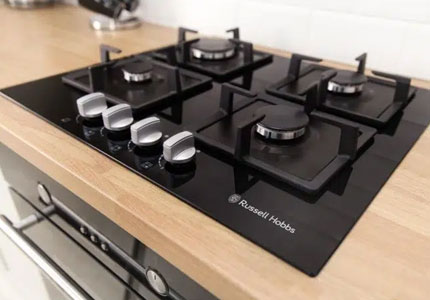
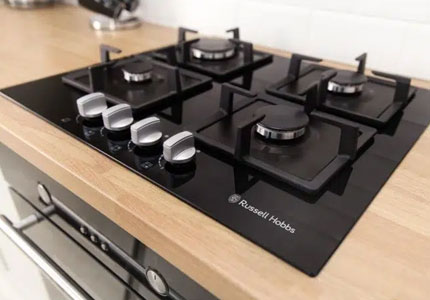
Built-in gas hobs remain one of the most popular choices for modern kitchens because they combine practical cooking performance with a clean, streamlined appearance. Before installation begins, the worktop opening, gas connection, appliance dimensions and surrounding clearances should all be checked to ensure the new hob is suitable for the available space.
Narindra Gas Services installs gas hobs in homes across East London, helping customers upgrade existing kitchens, replace damaged appliances and complete renovation projects with professionally fitted gas cooking appliances.
Installing a Gas Hob That Fits Your Kitchen
Unlike freestanding cookers, a built-in gas hob becomes part of the kitchen worktop, making accurate measurements particularly important. The existing cut-out, appliance dimensions and manufacturer requirements should all be considered before installation begins. Small differences in size can affect the fitting process, especially when replacing an older hob with a newer model.
Planning the installation properly helps avoid unnecessary alterations while ensuring the appliance sits securely within the worktop and operates correctly once connected.
New Gas Hob Installation
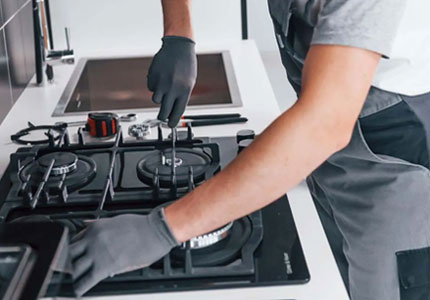
Installing a gas hob in a newly renovated kitchen requires careful preparation before the appliance is connected. During the installation process, the worktop opening, gas connection point and appliance position are checked before fitting begins. Once installed, operational testing helps confirm that every burner functions correctly and the appliance is ready for everyday cooking.
Whether the project involves a single property improvement or a complete kitchen refurbishment, a correctly installed gas hob provides dependable performance from the first day of use.
Replacing an Existing Gas Hob
Older gas hobs eventually show signs of wear through years of regular cooking. Burners may become less efficient, ignition systems can deteriorate and appliance surfaces may become difficult to maintain. Replacing an older hob with a modern model can improve cooking performance while giving the kitchen a cleaner, updated appearance.
Every replacement installation begins by assessing the existing appliance, gas connection and worktop dimensions to determine whether the new hob can be fitted directly or if minor adjustments are required.
Built-In Gas Hob Fitting
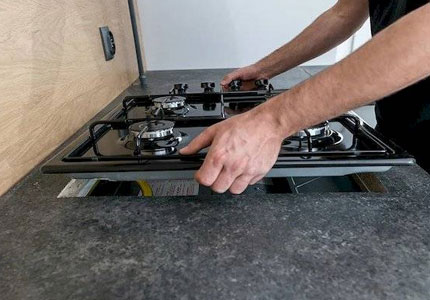
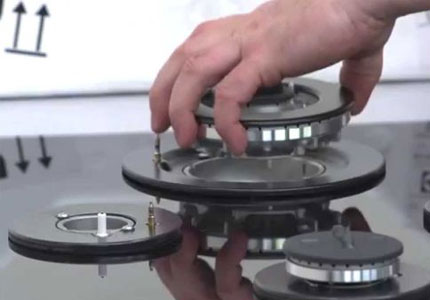
Built-in appliances require accurate positioning to achieve a secure finish and maintain suitable clearances around the cooking area. During installation, the hob is carefully aligned within the worktop before gas connections, burner operation and ignition performance are checked. Correct fitting helps ensure the appliance remains stable while providing easy access for future servicing if required.
Gas Hob Connection and Appliance Testing
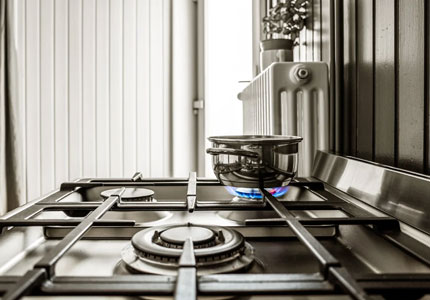
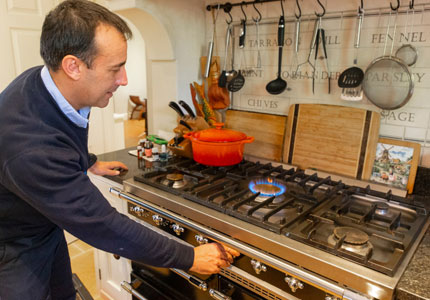
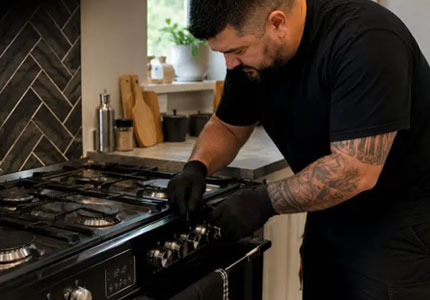
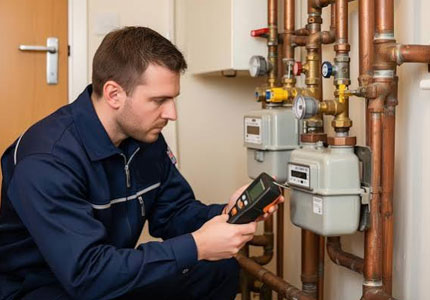
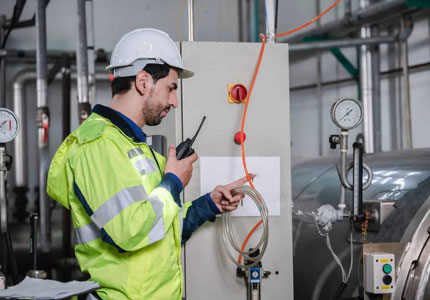
After the appliance has been fitted, the gas connection is inspected and tested before the hob is commissioned. Burner ignition, flame stability and control operation are checked individually across every cooking zone. Final testing helps confirm the appliance operates correctly before normal household use begins.
Choosing the Right Gas Hob for Your Home
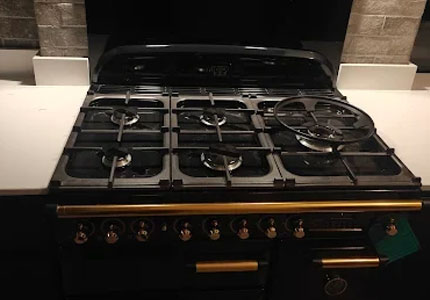
Modern gas hobs are available in a variety of sizes, finishes and burner configurations, allowing homeowners to choose an appliance that suits both their cooking habits and kitchen layout. From compact two-burner models for smaller kitchens to five-burner hobs designed for busy family homes, selecting the right appliance helps improve convenience without compromising available worktop space.
Before fitting a replacement hob, it's important to confirm the appliance dimensions, cut-out measurements and gas connection requirements. Checking these details in advance helps create a smoother installation process and ensures the new appliance fits correctly within the existing worktop.
Worktop Preparation Before Installation
One of the most important stages of installing a built-in gas hob is preparing the worktop correctly. The appliance should sit securely within the opening while maintaining the clearances recommended by the manufacturer. If a replacement hob differs slightly from the previous model, the existing cut-out may require minor adjustments before fitting can begin.
During installation, surrounding surfaces, supporting units and nearby kitchen fittings are also checked to help ensure the hob is positioned safely and remains fully accessible for future servicing or maintenance.
Gas Supply and Appliance Compatibility
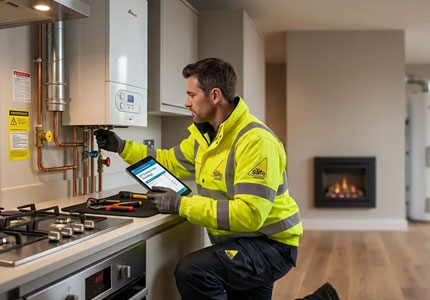
Not every gas hob connects in exactly the same way. Before installation, the existing gas supply, isolation valve and connection fittings are inspected to confirm they are suitable for the chosen appliance. If the kitchen has recently been renovated or the cooking area has been relocated, minor pipework alterations may also be required to achieve a safe and practical installation.
Verifying appliance compatibility before installation helps avoid delays and allows the new hob to operate as intended from the moment it is commissioned.
Why Homeowners Replace Their Gas Hobs
Kitchen improvements are one of the most common reasons for replacing an existing gas hob. Older appliances may show signs of wear, become difficult to clean or no longer match the appearance of a modern kitchen. Some homeowners also choose to upgrade to larger cooking surfaces or models with improved burner layouts that better suit everyday cooking requirements.
Replacing an ageing hob during a kitchen refurbishment also provides an opportunity to inspect existing gas connections and ensure the appliance is installed to current safety standards.
What's Included With a Gas Hob Installation?
- Inspection of the existing gas connection.
- Checking appliance compatibility.
- Positioning and securing the built-in hob.
- Gas appliance connection.
- Gas tightness testing.
- Burner ignition testing.
- Flame stability checks.
- Operational testing of every burner.
- Final appliance commissioning.
Related Gas Hob Services
Alongside new gas hob installations, additional services may also be required depending on the condition of the appliance or existing gas supply.
- Gas Hob Replacement
- Gas Cooker Installation
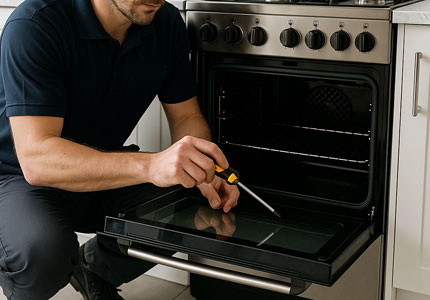
- Cooker Servicing
- Cooker Repairs
- Gas Leak Testing
- Gas Pipework Alterations
- Gas Safety Inspection
- Gas Appliance Certification
Frequently Asked Questions
Can an existing gas hob be replaced with a different brand?
Yes. Before installation, the worktop opening, appliance size and gas connection are checked to confirm the new hob is suitable.
Do all gas hobs fit the same worktop opening?
No. Dimensions vary between manufacturers, so measurements should always be checked before installation.
Can a gas hob be installed during a kitchen renovation?
Yes. Many installations are completed as part of kitchen refurbishment projects once cabinets and worktops have been prepared.
Will the burners be tested after installation?
Yes. Every burner is checked to confirm correct ignition, flame stability and normal operation before the appliance is ready for use.
Can the existing gas connection be reused?
Where suitable, existing gas connections may be used. If changes are required, they are assessed before installation proceeds.
Do you install five-burner gas hobs?
Yes. Installation is available for various gas hob sizes, including larger family cooking appliances where suitable space is available.
Arrange Your Gas Hob Installation
Whether you're upgrading your kitchen, replacing an outdated appliance or fitting a built-in hob in a newly renovated property, careful installation helps ensure reliable performance from day one. Every stage of the fitting process, from appliance positioning and gas connection to final testing and commissioning, is completed with attention to detail and current safety requirements.
Contact Narindra Gas Services to arrange a gas hob installation anywhere within East London.
 Contact us

 Mail Support info@narindragasservices.co.uk
 More Inquiry +44 7415762621