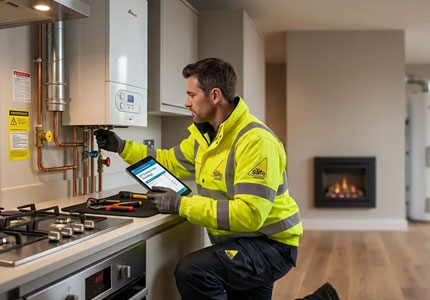
Range Cooker Installation
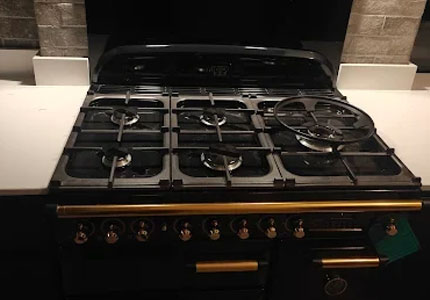
A range cooker is more than just a cooking appliance. It often becomes the centrepiece of the kitchen, offering larger ovens, additional burners and greater flexibility for everyday cooking. Installing this type of appliance requires careful planning to ensure it fits correctly within the available space while meeting the technical requirements of the property.
Unlike standard cookers, range cookers vary considerably in width, weight and burner configuration. Some models include multiple ovens, integrated grills or dual fuel systems, making installation more detailed than fitting a conventional cooker. Before installation begins, the appliance location, available space and existing gas supply should all be assessed to ensure the kitchen is ready for the new appliance.
Narindra Gas Services installs gas and dual fuel range cookers for homeowners renovating kitchens, extending properties or replacing older cooking appliances across East London.
Designed for Larger Kitchens and Busy Households
Many homeowners choose a range cooker because it provides additional cooking capacity without compromising everyday convenience. Larger oven cavities, multiple cooking zones and wider hob layouts make these appliances ideal for family homes and people who cook regularly.
During installation, particular attention is given to appliance positioning, surrounding clearances and access to gas and electrical connections where applicable. Proper planning helps the cooker integrate naturally into the kitchen while allowing sufficient space for ventilation and future servicing.
Gas Range Cooker Installation
Gas range cookers provide instant heat control and consistent cooking performance, making them a popular choice for modern kitchens. Before the appliance is connected, the existing gas supply, isolation valve and appliance specifications are checked to confirm compatibility with the installation area.
Following installation, burner operation, ignition systems and appliance controls are tested individually before the cooker is commissioned for normal household use.
Dual Fuel Range Cooker Installation
Dual fuel range cookers combine a gas hob with electric ovens, providing greater cooking flexibility for many households. Installing these appliances requires both gas and electrical services to be suitable for the selected model. Prior to fitting, appliance specifications are reviewed to ensure the installation can be completed safely and correctly.
After installation, the gas cooking zones are tested alongside the appliance controls to confirm reliable operation before the cooker is ready for everyday use.
Replacing an Existing Range Cooker
Replacing an older range cooker is an opportunity to improve both kitchen appearance and cooking performance. Before removing the existing appliance, connection points, surrounding cabinetry and available floor space are checked to confirm the replacement model can be installed without unnecessary alterations.
Where dimensions differ between appliances, installation planning helps determine whether adjustments are required before fitting the new cooker.
Planning the Installation Before Delivery
Because range cookers are larger and heavier than standard appliances, preparation before delivery can make installation more straightforward. Measuring access routes, doorways and kitchen entrances helps avoid difficulties when moving the appliance into position. Confirming these details beforehand can save time and reduce disruption on installation day.
Finding the Right Location for a Range Cooker
A range cooker performs best when it is installed in a position that provides comfortable working space and easy access to surrounding kitchen units. Before installation, the available width, depth and height are checked to make sure the appliance fits naturally within the kitchen layout without restricting movement or access to neighbouring cupboards and worktops.
Many homeowners include a range cooker as part of a complete kitchen redesign, allowing the appliance to become the focal point of the cooking area while maintaining a practical workspace for everyday use.
Preparing the Kitchen Before Installation
Preparing the installation area before the appliance arrives can make the fitting process more efficient. Existing appliances should be removed, surrounding cabinets checked for suitable clearances and the installation space kept free from obstructions. Confirming these details beforehand allows the appliance to be positioned correctly and reduces unnecessary delays during installation.
Where kitchen alterations have recently been completed, checking appliance measurements against the available space helps avoid unexpected fitting issues on installation day.
After Installation Safety and Performance Checks
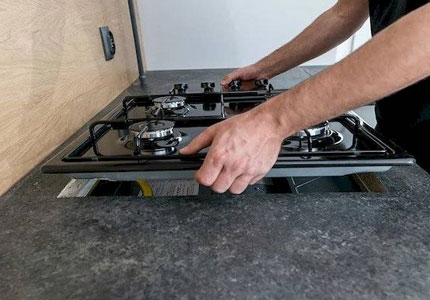
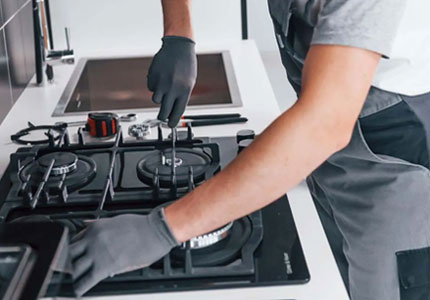
Once the range cooker has been positioned and connected, a series of operational checks are carried out before the appliance is ready for normal household use. Burners, ignition systems, appliance controls and gas connections are inspected to confirm the cooker performs correctly.
These final checks help ensure every cooking zone responds properly and the appliance is ready for everyday cooking from the moment installation is complete.
Benefits of Installing a Modern Range Cooker
- More cooking space for busy households.
- Multiple burners for preparing several meals at once.
- Larger oven capacity for entertaining and family cooking.
- Modern designs that complement contemporary kitchens.
- Improved cooking flexibility compared with standard cookers.
- Available in gas and dual fuel models.
- Suitable for kitchen renovations and home improvements.
Related Cooker Services
Alongside range cooker installation, additional services are available for homeowners planning a complete kitchen upgrade or replacing existing appliances.
- Cooker Installation
- Gas Hob Installation
- LPG Cooker Installation
- Cooker Replacement
- Cooker Servicing
- Cooker Repairs
- Gas Leak Testing
- Gas Safety Inspection
- Gas Appliance Certification
Frequently Asked Questions
Can a standard cooker be replaced with a range cooker?
Yes. Before installation, the available space, appliance dimensions and gas connection are checked to confirm the new cooker is suitable for the kitchen.
What is the difference between a gas and dual fuel range cooker?
A gas range cooker uses gas for both the hob and oven, while a dual fuel model combines a gas hob with electric ovens.
Do range cookers need more space than standard cookers?
Yes. Most range cookers are wider and require sufficient clearance around the appliance for installation and everyday use.
Can an old range cooker be removed before installation?
Yes. Existing appliances can be disconnected and removed before the replacement cooker is installed.
Do you install freestanding range cookers?
Yes. Installation is available for freestanding gas and dual fuel range cookers in suitable domestic properties.
Is appliance testing carried out after installation?
Yes. Operational checks are completed to confirm burners, controls and appliance functions are working correctly before handover.
Book a Range Cooker Installation
Whether you're renovating your kitchen, replacing an existing appliance or fitting a premium cooker into a newly designed space, careful installation helps ensure dependable performance from the very beginning. Every appliance is positioned, connected and tested with attention to safety, functionality and manufacturer guidance.
 Contact us

 Mail Support info@narindragasservices.co.uk
 More Inquiry +44 7415762621