Gas Leak Testing
A gas leak is not always obvious. While a strong smell is one possible warning sign, some leaks develop gradually and may only become noticeable through changes in appliance performance or during routine safety checks. Investigating a suspected leak quickly helps determine whether gas is escaping from the installation and whether further action is required.
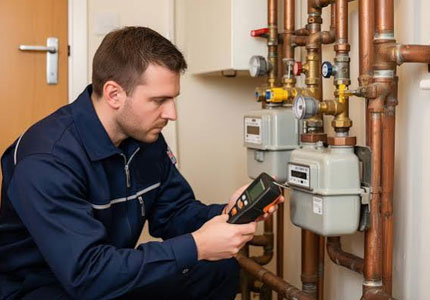
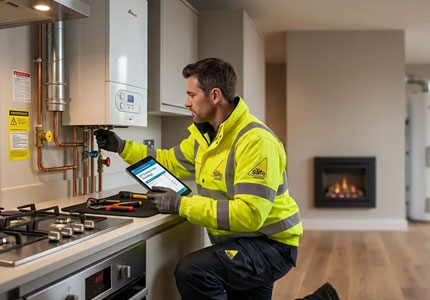
Gas leak testing is a diagnostic process rather than a repair. Its purpose is to assess the integrity of the gas installation and establish whether pressure is being lost somewhere within the system. This information helps identify whether the installation remains sound or requires further investigation.
Situations That May Indicate Further Investigation
Unusual Gas Odour
A persistent smell of gas indoors or close to an appliance should never be ignored and should always be investigated appropriately.
Appliance Performance Changes
Burners that behave differently from normal or appliances that suddenly become difficult to use may justify additional testing.
Property Alterations
Building work, kitchen refurbishments or pipework modifications sometimes lead homeowners to request a precautionary gas tightness test.
Vacant Properties
Homes that have remained empty for an extended period are often inspected before gas appliances are returned to regular use.
What Does Gas Leak Testing Assess?
Instead of concentrating on one appliance, testing considers the gas installation as a complete system. The objective is to determine whether gas is escaping from accessible sections of the installation rather than assuming the problem originates from a single cooker, hob or connection point.
- Overall integrity of the gas installation.
- Pressure stability within the system.
- Accessible appliance connections.
- Visible pipework condition.
- Signs that indicate additional investigation may be required.
Why Timing Matters
Delaying investigation after noticing possible warning signs can make it more difficult to determine when a leak first developed. Arranging testing soon after concerns arise provides a clearer understanding of the current condition of the installation and helps establish the most appropriate next step.
A Precaution, Not an Assumption
Not every unusual smell or appliance issue is caused by a gas leak. Likewise, not every leak produces an obvious smell. Testing is carried out to replace uncertainty with factual information about the condition of the installation instead of relying on assumptions.
Common Household Situations That Prompt Leak Testing
Gas leak testing is often requested even when there isn't a confirmed leak. Many homeowners choose to have the installation checked after unexpected events or changes within the property to gain confidence that the gas system remains secure before normal use continues.
After Purchasing a Property
New owners may not know the history of the existing gas installation, making an inspection a sensible precaution before relying on gas appliances every day.
Following Building Work
Structural alterations, extensions or internal remodelling can sometimes affect accessible gas pipework or appliance positions, leading to a precautionary test.
Returning to a Vacant Home
Properties left unoccupied for weeks or months are often checked before gas appliances are used again.
Recurring Safety Concerns
If unusual smells or unexpected appliance behaviour continue despite previous inspections, further testing can help establish whether additional investigation is required.
Recognising Changes Around Gas Appliances
Homeowners are usually the first to notice when something doesn't seem quite right. Paying attention to small changes can help identify developing problems before they become more significant. While these signs don't automatically confirm a gas leak, they may justify a closer inspection of the installation.
- Burner flames that appear weaker than normal.
- Appliances taking longer to ignite.
- Unexpected noises around gas appliances.
- Repeated appliance shutdowns.
- Changes noticed after renovation work.
- Visible damage to exposed pipework or fittings.
Why Pressure Testing Is Important
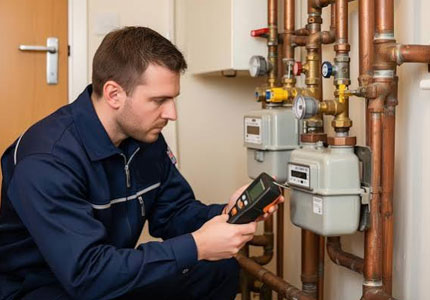
A gas installation is designed to remain sealed during normal operation. Pressure testing helps determine whether the system continues to hold pressure correctly or if further investigation is necessary. Rather than relying on appearance alone, this process provides measurable information about the condition of the installation.
Where no pressure loss is identified, the results can provide reassurance that the accessible installation is performing as expected at the time of testing.
Good Habits That Support Gas Safety
Keep Appliance Areas Clear
Avoid blocking ventilation openings or surrounding gas appliances with stored household items.
Watch for Changes
Small differences in flame appearance or appliance performance should never be ignored.
Use Appliances Correctly
Following the manufacturer's operating instructions helps maintain safe and efficient performance.
Arrange Periodic Checks
Routine inspections help identify wear before it develops into more significant issues.
Gas Safety Is an Ongoing Responsibility
Gas installations naturally age over time, and components that perform well today may require attention in the future. Treating gas safety as part of regular property maintenance rather than waiting for an emergency can help reduce unexpected disruption and support the continued safe operation of domestic gas appliances.
 Contact us

 Mail Support info@narindragasservices.co.uk
 More Inquiry +44 7415762621