LPG Cooker Installation
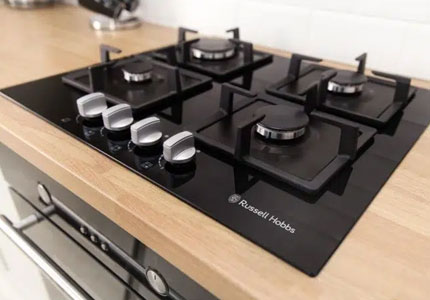
Not every property is connected to the mains gas network. Many annexes, countryside homes, static caravans, holiday accommodation and temporary living spaces rely on Liquefied Petroleum Gas (LPG) for everyday cooking. Installing an LPG cooker requires an understanding of bottled gas systems, compatible appliances and the correct type of gas supply rather than a standard natural gas connection.
Because LPG operates differently from mains natural gas, appliances must be suitable for propane or butane, depending on the fuel being used. Before any installation takes place, the appliance specification, regulator, gas hose and existing LPG supply should all be assessed to confirm they work together safely.
Narindra Gas Services provides LPG cooker installation for suitable domestic properties throughout East London, helping customers connect new appliances safely and efficiently where bottled gas systems are in use.
Where LPG Cookers Are Commonly Installed
LPG cooking appliances are widely used in locations where a mains gas connection is unavailable or impractical. They provide an effective cooking solution for a wide variety of residential and specialist properties while offering the flexibility of bottled gas supplies.
- Garden annexes
- Static caravans
- Holiday lodges
- Mobile homes
- Park homes
- Rural properties
- Temporary accommodation
- Outdoor kitchen buildings
Understanding LPG Appliances
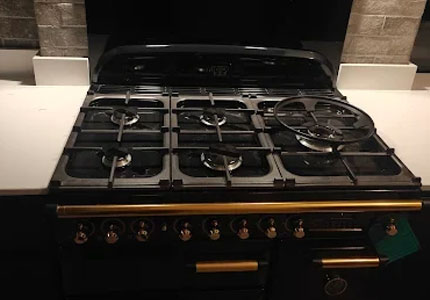
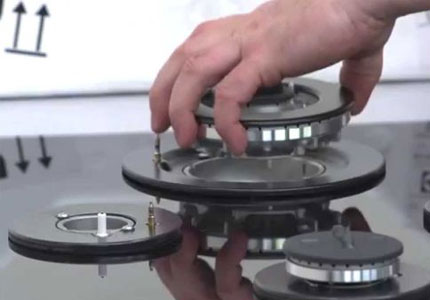
Although LPG and natural gas appliances may look similar, they are not always interchangeable. Burners, injectors and operating pressures differ depending on the type of fuel being used. Installing the correct appliance for the available gas supply helps achieve efficient combustion and reliable cooking performance.
Before installation, appliance specifications are reviewed to verify compatibility with the existing LPG system and confirm the manufacturer’s requirements are met.
Installing a New LPG Cooker
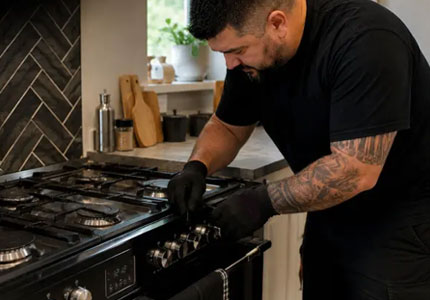
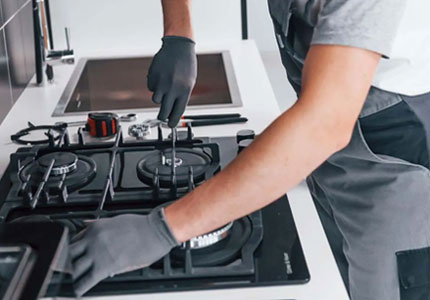
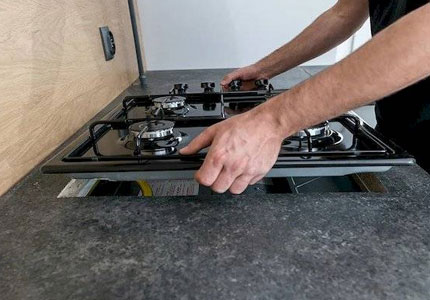
Whether replacing an older appliance or fitting a cooker into a newly completed annexe or holiday property, careful planning helps ensure a smooth installation. The appliance location, ventilation, cylinder position and available connection points are all considered before work begins.
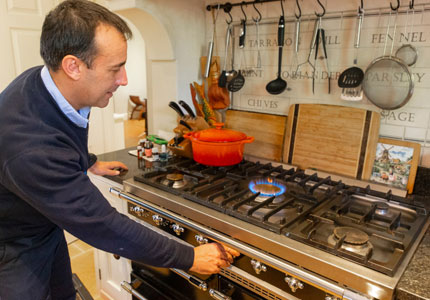
Once connected, operational checks are carried out to confirm burner performance and ensure the appliance is functioning correctly before everyday use.
Choosing the Correct LPG Supply
Different properties use different cylinder sizes depending on cooking requirements and available storage space. Selecting the appropriate regulator and ensuring suitable connection components are fitted plays an important role in maintaining a dependable gas supply for the appliance.
Propane and Butane – Which Fuel Does Your Cooker Use?
LPG cookers generally operate on either propane or butane, depending on the appliance design and the property where it is installed. Propane is commonly chosen for outdoor cylinders and year-round use because it performs reliably in colder temperatures, while butane is often found in indoor or seasonal applications. Before connecting a cooker, the appliance specifications should always be checked to confirm the correct fuel type is being used.
Using the appropriate LPG supply helps maintain stable burner performance and ensures the appliance operates as intended by the manufacturer.
Before Your LPG Cooker Is Connected
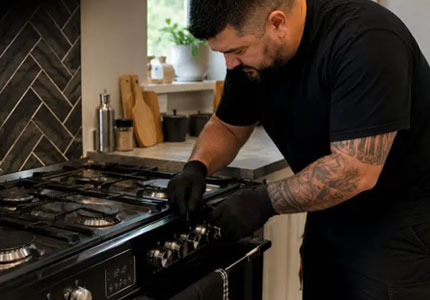
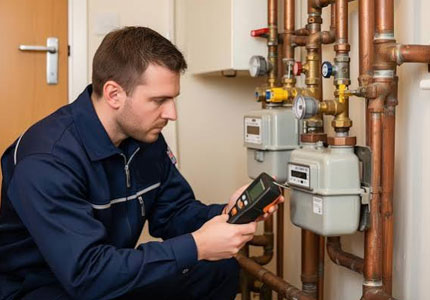
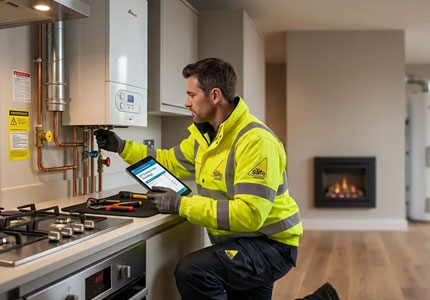
Every installation begins with an inspection of the existing LPG setup rather than connecting the appliance immediately. The condition of the gas hose, regulator, isolation valve and cylinder connection is checked to confirm they are suitable for continued use. If older components show signs of wear or are incompatible with the replacement appliance, they should be addressed before commissioning the cooker.
This preparation helps create a safer installation while reducing the likelihood of interruptions once the appliance is in regular use.
Suitable Properties for LPG Cooking Appliances
LPG cookers are often selected for properties where flexibility is important or where access to mains gas is unavailable. They can provide a practical cooking solution across many different types of residential accommodation.
- Self-contained garden rooms
- Converted outbuildings
- Holiday cabins
- Farmhouses
- Rural cottages
- Park homes
- Static caravans
- Mobile catering units
Keeping an LPG Cooker Performing Efficiently
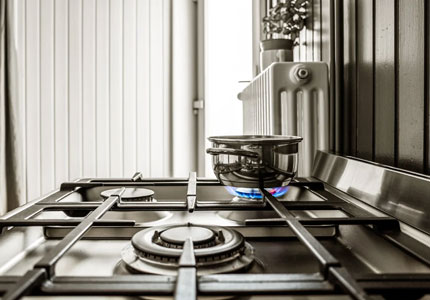
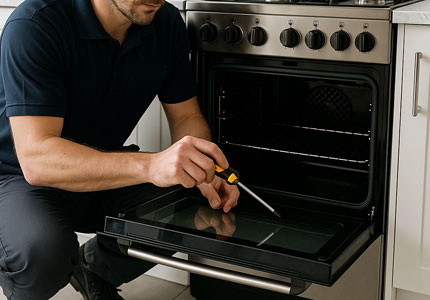
Regular visual inspections and routine servicing can help maintain cooking performance throughout the life of the appliance. Keeping burner ports clean, checking flame quality and replacing worn connection components when required all contribute to reliable operation. If the cooker becomes difficult to ignite, develops uneven flames or produces unusual odours, it should be inspected before further use.
Frequently Asked Questions
Can a natural gas cooker be connected directly to LPG?
No. The appliance must be designed for LPG or professionally converted in accordance with the manufacturer's instructions where conversion is permitted.
Is LPG suitable for everyday cooking?
Yes. LPG is widely used for daily cooking in homes and properties that are not connected to the mains gas network.
Can an LPG cooker be installed in a static caravan?
Yes. Many static caravans and holiday lodges use LPG cooking appliances, provided the installation meets the appliance requirements and current safety standards.
How do I know if my cooker uses propane or butane?
The appliance data plate and manufacturer's documentation will normally specify the correct fuel type for the cooker.
Can an old LPG cooker be replaced with a newer model?
Yes. Before replacement, the existing LPG supply and connection components should be assessed to confirm they are compatible with the new appliance.
Do you test the cooker after installation?
Yes. The appliance is checked to confirm correct operation, burner performance and safe gas connections before it is ready for normal use.
Arrange an LPG Cooker Installation
Whether you're fitting out a holiday lodge, upgrading a caravan, completing a garden annexe or replacing an older LPG appliance, careful installation helps ensure dependable cooking performance and safe operation. Every installation is planned around the appliance, fuel type and existing LPG supply to achieve a reliable result.
Contact Narindra Gas Services to arrange an LPG cooker installation for suitable properties across East London.
 Contact us

 Mail Support info@narindragasservices.co.uk
 More Inquiry +44 7415762621