Gas Safety Inspection
Gas appliances often continue working for years without obvious signs of a developing fault. An inspection focuses on identifying potential safety concerns before they become larger problems, helping homeowners understand whether their gas cooking equipment and visible pipework remain suitable for everyday use.
Unlike a repair appointment, the purpose of an inspection is assessment rather than fixing a fault. Every appliance is considered individually, allowing its condition, operation and surrounding installation to be reviewed without assuming replacement or servicing will automatically be required.
Why Arrange an Inspection?
Many inspections are carried out simply for reassurance. Others take place before buying a property, after moving home or when an appliance has not been used for a long period. Even where everything appears normal, a professional inspection provides a clearer understanding of the condition of the installation.
| Situation |
Reason for Inspection |
| Moving into a property |
Check existing gas appliances before regular use. |
| Property purchase |
Understand the condition of visible gas installations. |
| Long periods without use |
Confirm appliances remain suitable before being used again. |
| Kitchen alterations |
Review the installation after renovation work. |
What Can Be Identified During an Inspection?
Every property is different, but inspections commonly highlight issues that are not immediately obvious during normal day-to-day use. Identifying these early allows homeowners to make informed decisions before problems become more serious.
- Signs of wear around appliance connections.
- Visible damage affecting safe operation.
- Irregular burner flames.
- Poor appliance positioning.
- Ventilation concerns.
- Accessible pipework observations.
- General condition of the installation.
Who Typically Requests a Gas Safety Inspection?
Inspections are requested by a wide range of property owners, not only when a fault is suspected. Some people simply want reassurance that an appliance continues to operate safely, while others arrange an inspection before investing in wider home improvements.
- Homeowners.
- First-time buyers.
- People moving into an older property.
- Families renovating their kitchen.
- Owners of recently inherited homes.
- Holiday property owners.
Inspection Outcomes
Every inspection can produce a different outcome depending on the condition of the appliance and the installation. In many cases no immediate action is required, while some inspections may identify recommendations for future maintenance, servicing or replacement if signs of deterioration are found.
What Happens After a Gas Safety Inspection?
An inspection provides a clearer picture of how the visible gas installation and connected appliances are performing at the time of the visit. Rather than simply confirming whether something works, the inspection helps identify observations that may require attention now or in the future. This allows homeowners to make informed decisions about maintenance without relying on guesswork.
Some properties require no immediate action, while others may benefit from additional servicing, component replacement or further investigation if unusual conditions are identified during the assessment.
Visible Areas Commonly Reviewed
- Appliance Position
- Checking whether the appliance is positioned appropriately within the available space.
- Gas Connections
- Looking for obvious signs of deterioration, wear or unsuitable alterations around accessible connections.
- Flame Appearance
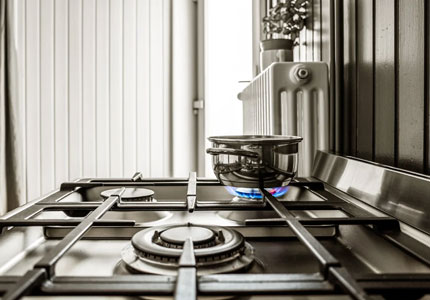
- Observing whether burner flames appear stable and consistent during normal operation.
- Ventilation
- Reviewing whether surrounding ventilation appears suitable for the appliance being used.
- General Condition
- Assessing the overall visible condition of the appliance and nearby installation.
Situations Where an Inspection Can Be Helpful
Although many inspections are arranged because of a suspected concern, they are equally valuable when no obvious fault exists. Regular assessments can provide reassurance and help identify developing issues before they interrupt the normal use of the appliance.
An inspection is often a sensible precaution before selling a property, welcoming new occupants, reconnecting an appliance after renovation work or returning to a home that has been vacant for an extended period.
Keeping Gas Appliances in Good Condition
Simple routine care can contribute to the long-term performance of domestic gas appliances. Keeping burners clean, ensuring ventilation openings remain unobstructed and arranging periodic servicing where appropriate can help reduce unnecessary wear over time. Any unusual smells, discoloured flames or unexpected changes in appliance performance should always be investigated before continued use.
Understanding the Results
Every property is different, which means inspection findings will vary from one installation to another. An appliance may be operating normally, require routine maintenance or show signs that further investigation would be beneficial. Understanding these observations allows property owners to prioritise any future work based on the actual condition of the installation rather than assumptions.
 Contact us

 Mail Support info@narindragasservices.co.uk
 More Inquiry +44 7415762621